Did you know magnesium is required for more than 300 enzyme reactions in the human body, and that making
usable energy sits at the top of that list?
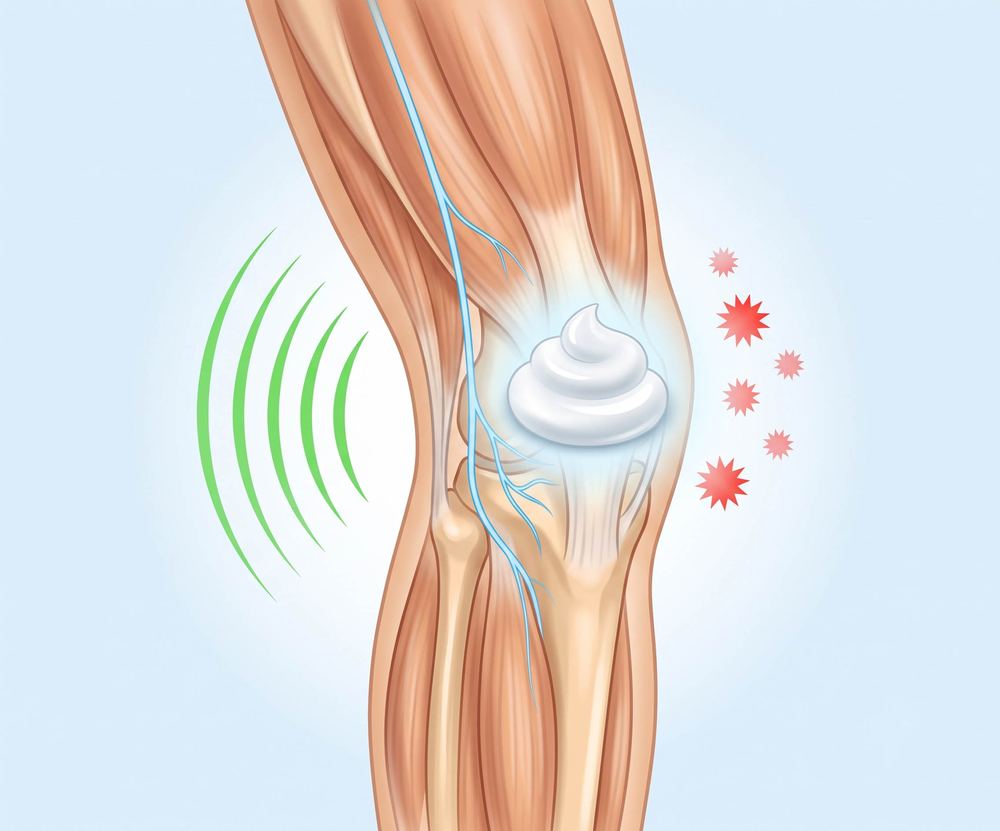
Here's why that matters for your knees. Every repair your body makes costs energy. Laying down fresh
collagen, clearing inflammatory waste, keeping joint tissue supple, none of it is free. All of it is paid for
in ATP.
And ATP can't be used until magnesium binds to it. That isn't a marketing line, it's basic biochemistry: the
active form of cellular fuel is magnesium-ATP.
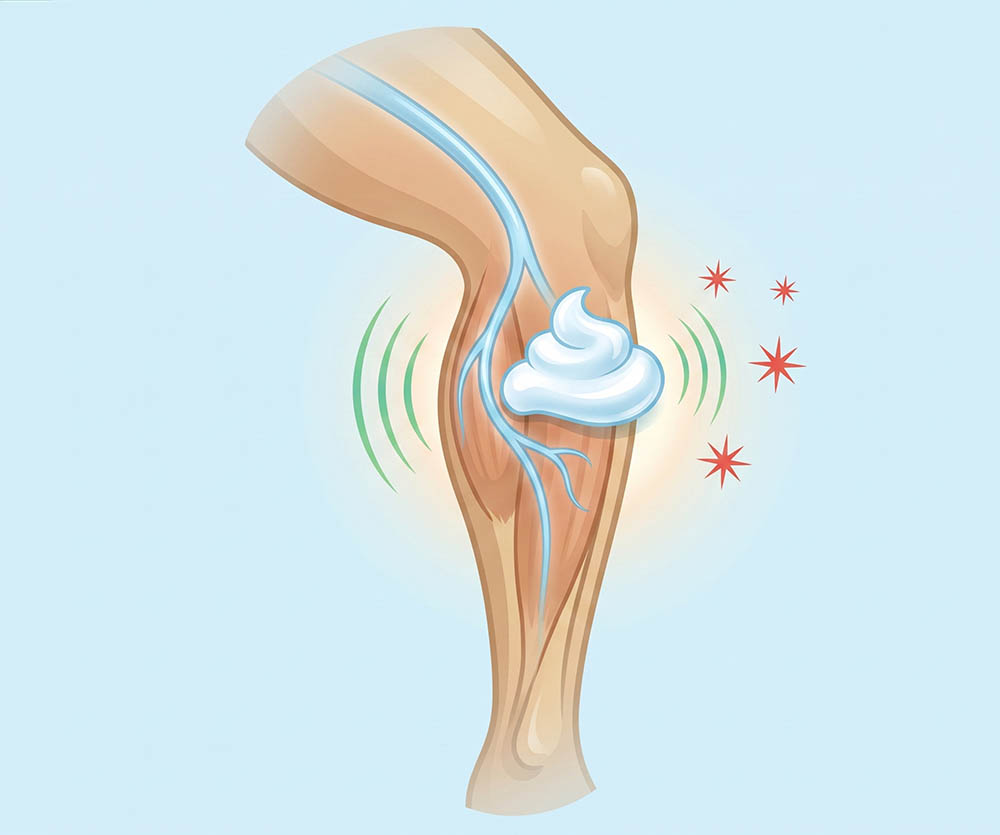
So when magnesium runs short, your knees don't just ache more. The upkeep that used to happen quietly
in the background starts falling a little further behind every year.
Magnesium doesn't work alone, either. Your cells also need niacinamide, a form of Vitamin B3, to build NAD,
the molecule that carries energy production forward. Magnesium is the spark plug. NAD is the fuel line. Run
short on either and the engine sputters.
Unfortunately, as we get older, our bodies absorb less magnesium and most of us take in less than
recommended... so quiet magnesium depletion becomes increasingly common.
Researchers looking at aging joint tissue have increasingly focused on cellular energy, not just
mechanical wear, as part of why that upkeep falls behind.†
When the cells that maintain your knees can't get the magnesium they need to make energy, they can't keep up.
It could be the piece your knees have been missing all along... and the reason the pills and braces that ignore
it keep disappointing you.
If you're dealing with any of the following, low magnesium
could be quietly making it worse:
















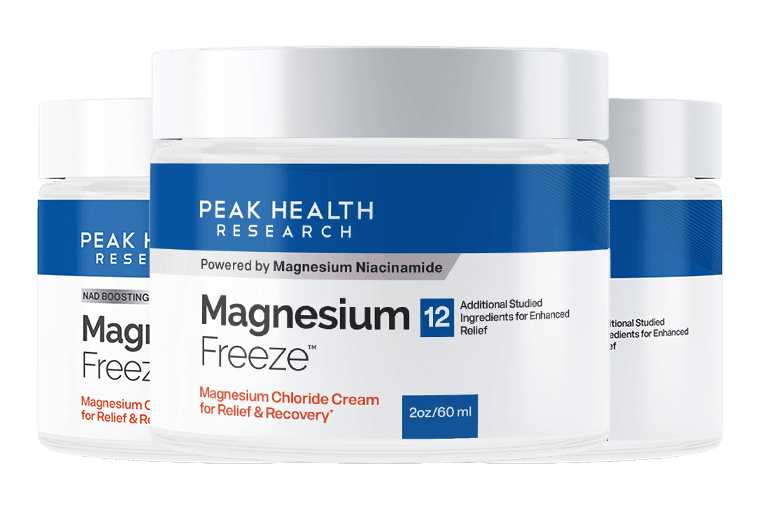
 Yes, I recommend this product.




 Use cheap magnesium sulfate (Epsom salt) or menthol only
 Targets the root cause: a magnesium shortfall in the cells
that maintain your joints