Peeling off a sock shouldn't leave a ring you can still see an hour later. Shoes that fit at breakfast
shouldn't feel two sizes too small by three in the afternoon.
Here's what almost nobody explains. Every drop of blood in your legs has to travel uphill,
against gravity, to get back to your heart. Your heart pushes it down. Nothing pushes it back up on its
own.
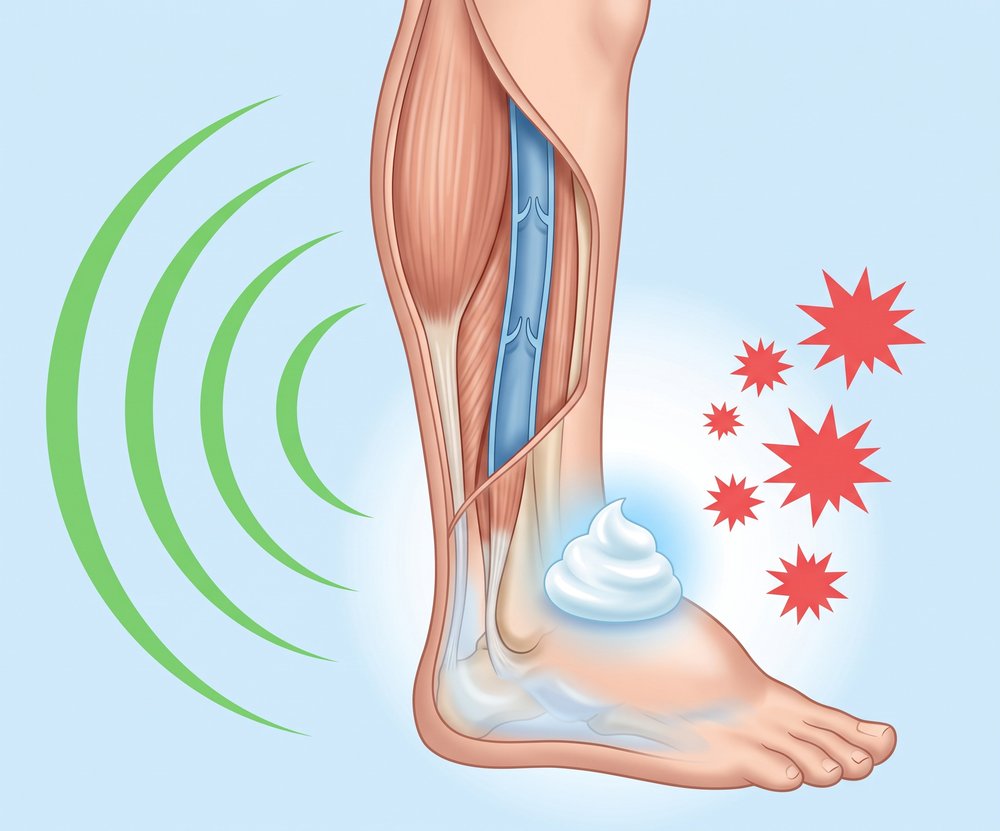
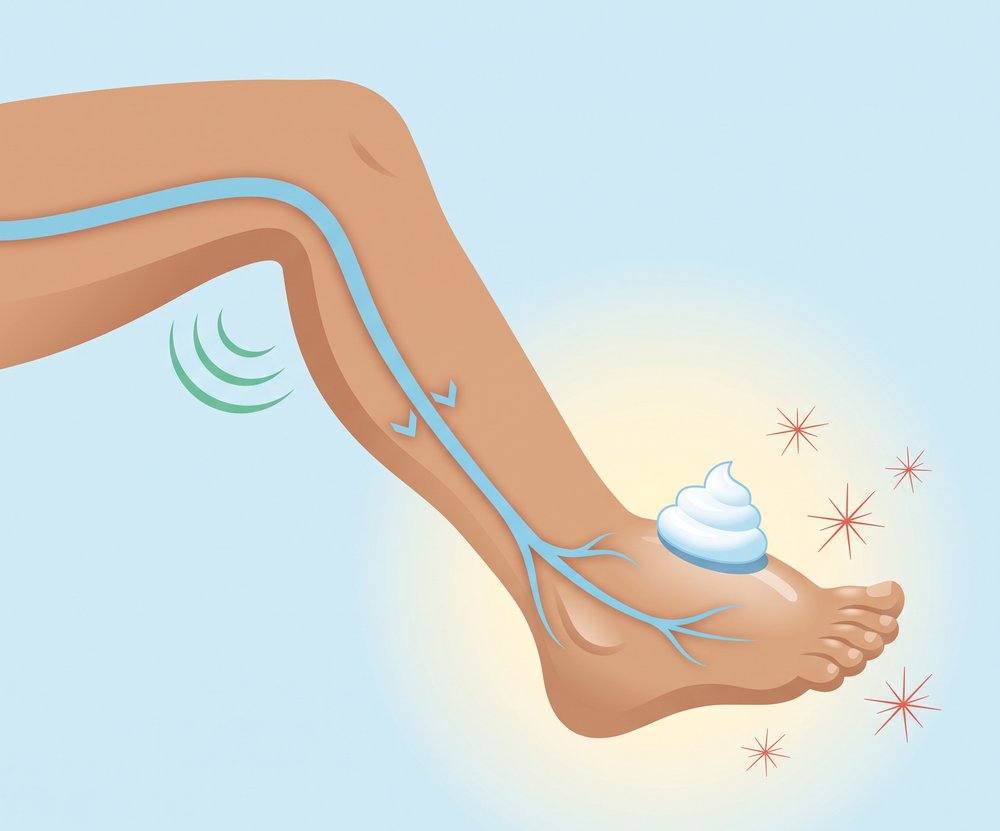
What pushes it up is your calf muscle. Every step you take squeezes the deep veins and
drives blood upward through a series of one-way valves. Doctors call it the calf muscle pump, and it's the
reason your legs don't fill up every time you stand still.
That pump runs on muscle contraction. And muscle can't contract, or let go afterward, without
magnesium. Magnesium is the spark plug that makes it fire.
When the pump runs short, blood stops moving and starts pooling in your lower legs.
Pressure builds inside the tiny capillaries. And when that pressure gets high enough, fluid is squeezed
out of the vessels and into the surrounding tissue.
That fluid is the swelling. That's the tightness across the top of your foot. The heaviness by mid-afternoon.
The dent that stays behind when you press your thumb into your ankle.
But here's the good news...
Most people reach for a water pill, or a compression sleeve, or just decide this is what getting older feels
like. None of them touch the actual problem: a pump that doesn't have what it needs to push.
And here's the catch: as we get older, our bodies absorb less magnesium, and most of
the magnesium in a pill is lost in digestion long before any of it reaches your calves.
That's exactly why getting magnesium directly to the source, straight through the skin, can
change everything.








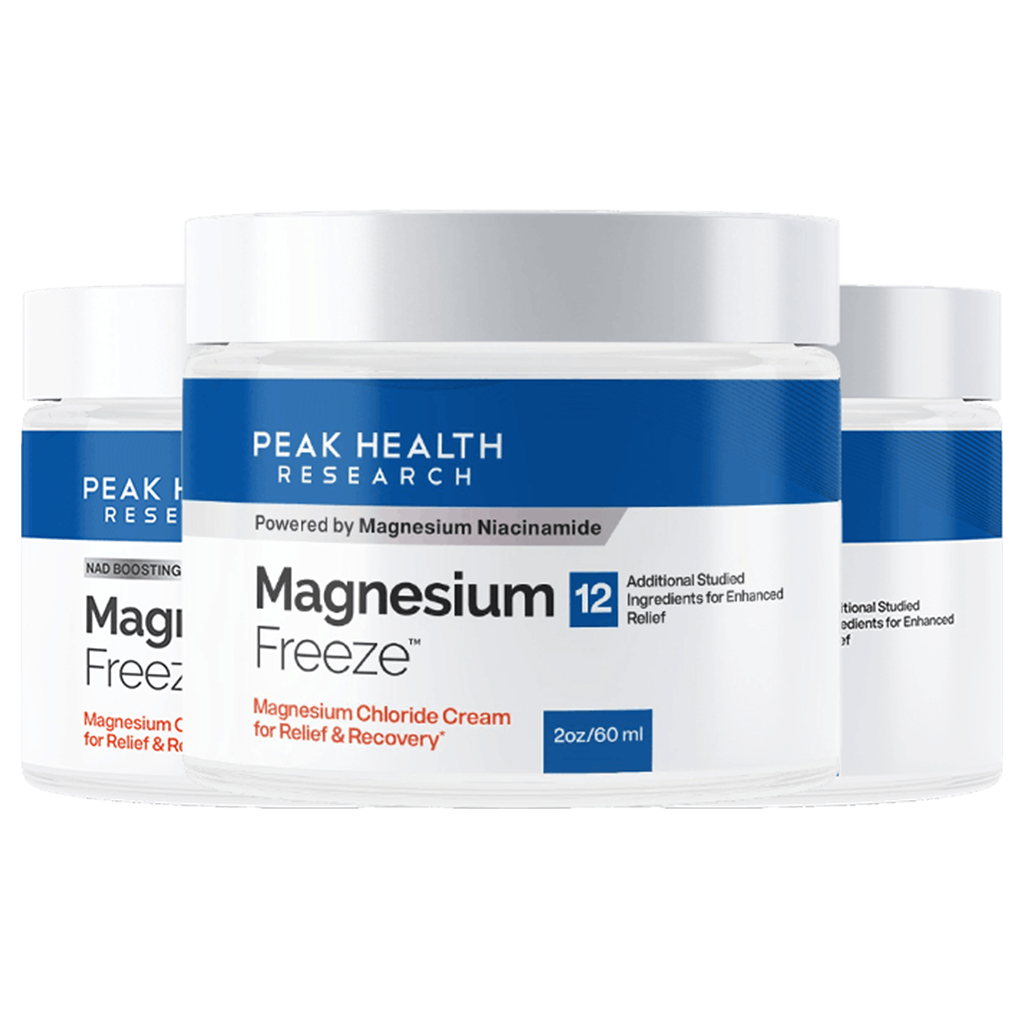





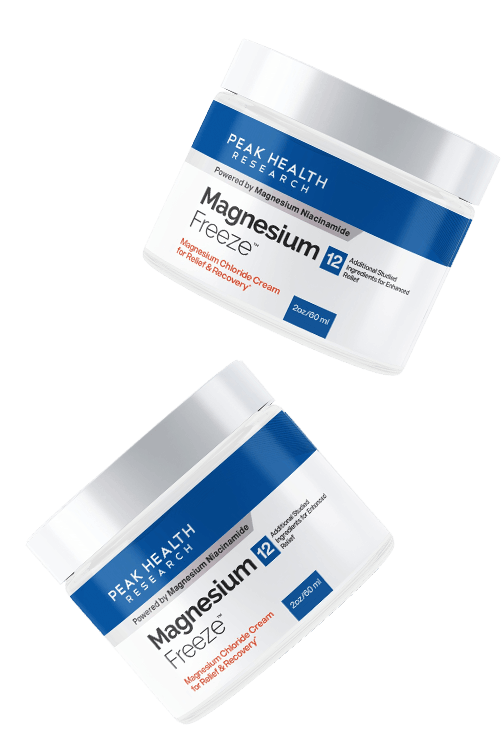
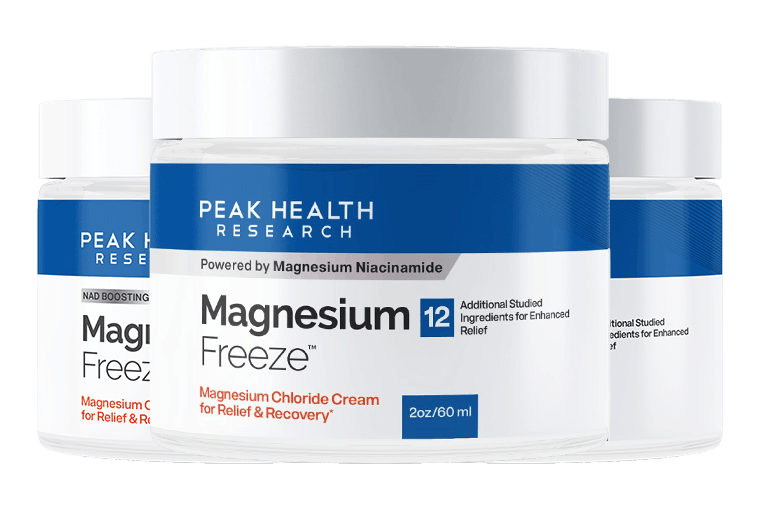
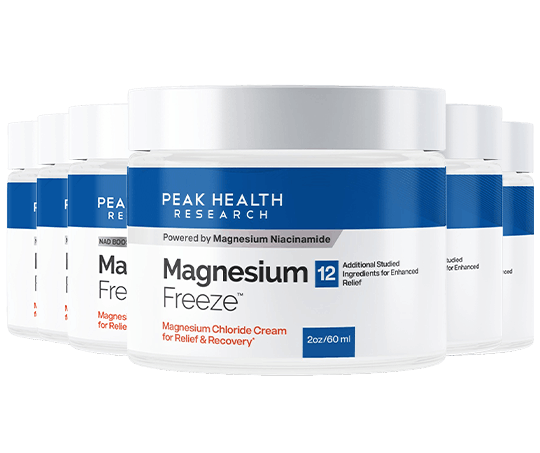
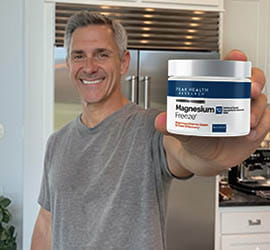
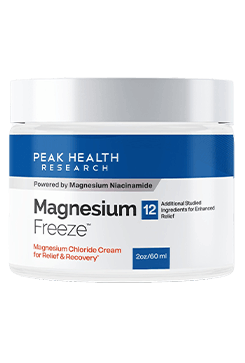
 Yes, I recommend this product.

 Use cheap magnesium sulfate (Epsom salt) or menthol only
 Targets the root cause: a magnesium shortfall in the pump
that clears your legs